Tracking vs Fingerprinting: Two Ways Your Photos Can Point Back to You
A serial number is tracking. Your firmware, colour profile and time zone are a fingerprint. I tested what stripping metadata removes and what it leaves.

A serial number is tracking. Your firmware, colour profile and time zone are a fingerprint. I tested what stripping metadata removes and what it leaves.
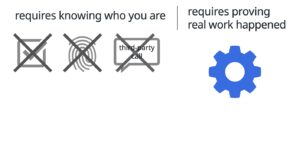
Every mainstream bot defence needs to fingerprint your browser or phone home to a third party. We needed one mechanism that works the same on clearnet, Tor, and I2P — here’s the incident that forced the question and what we built instead.
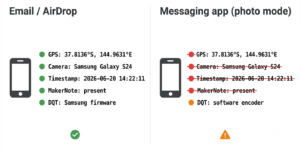
Whether you can read metadata from a received photo depends on the channel, not the tool. Email and AirDrop pass the file unchanged. Messaging apps re-encode — EXIF is gone, but a compression signature takes its place.
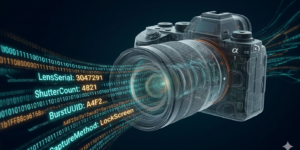
MakerNote is the manufacturer-written EXIF block that standard stripping tools typically leave intact — carrying lens serial numbers, shutter counts, burst UUIDs, and capture context that survives a standard privacy scrub. Its absence from a known device is equally revealing.
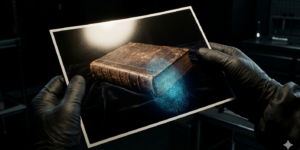
Stripping EXIF metadata doesn’t make a photo anonymous. DQT quantisation tables and Huffman coding tables are baked into the JPEG compression — a permanent camera fingerprint that survives every standard metadata strip. Two of the 60+ forensic checks snapWONDERS reads from every image.

The story behind Vaultify — a father building a steganography platform in memory of his son Huey, who lost his sight at four and dreamed of photos that carry hidden stories.

A single geotagged photo shows where you were once. A few dozen shows where you live, work, and go every day — and most people are still sharing photos with full GPS data attached.

Every photo you take on your smartphone embeds a detailed record of where you were, what device you used, and exactly when — and most people have no idea how easy it is to read.

After some time away, the work is moving in a new direction. Hueyify has been paused. The story behind that is personal, and it’s told in full at kennethbspringer.au/our-story. The …